Ever stumbled upon a golden berry hiding in the wild? Meet the cloudberry—a rare, jewel-like fruit with a flavor that dances between sweet and tart. Prized across northern regions, this elusive gem is more than just a treat; it’s a cultural icon, a health booster, and a culinary treasure.
What Is a Cloudberry?

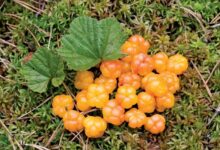
The cloudberry, scientifically known as Rubus chamaemorus, is a wild berry that grows in cool, boggy regions across the northern hemisphere. Often described as a cross between a raspberry and a golden dewberry, its appearance is striking—amber to deep orange when ripe, with a soft, crumbly texture.
Botanical Classification and Relatives
Part of the Rosaceae family, the cloudberry shares its lineage with raspberries, blackberries, and strawberries. Unlike its thorny cousins, however, the cloudberry plant is herbaceous, with low-growing stems and delicate white flowers.
- Genus: Rubus
- Species: chamaemorus
- Common names: Bakeapple (Newfoundland), Amla (Norway), Hjortron (Sweden), Lakka (Finland)
Its unique position in the Rubus genus makes it a botanical curiosity—unlike most brambles, it doesn’t form thickets and reproduces both sexually and vegetatively.
Geographical Distribution
Cloudberry thrives in subarctic and alpine climates. It’s commonly found in:
- Scandinavia (Norway, Sweden, Finland)
- The Baltic states
- Parts of Russia and Siberia
- Canada (especially Newfoundland and Labrador)
- Alaska and high-altitude regions of the northern United States
These regions provide the acidic, moist soil and cool temperatures the plant needs. It often grows in peat bogs, forest clearings, and mountainous wetlands. For more on its natural habitat, visit USDA’s Plant Database.
Seasonality and Harvesting Window
Cloudberry has a short growing season, typically from late June to early August, depending on latitude and weather. The harvest window is narrow—often just a few weeks—making fresh cloudberries a seasonal luxury.
In Scandinavia, the “cloudberry season” is eagerly anticipated, with families and foragers heading into the wilderness at peak ripeness. Because the berries ripen unevenly and are highly perishable, timing is everything.
“The cloudberry is the gold of the bog—rare, fleeting, and worth every muddy step to find it.” — Finnish Forager Proverb
Cloudberry in Nordic Culture and Tradition
In Nordic countries, the cloudberry isn’t just a fruit—it’s woven into the fabric of cultural identity. From folklore to national cuisine, its presence is deeply symbolic.
Historical Significance in Scandinavia
For centuries, indigenous Sami people and Nordic settlers have relied on cloudberries as a vital food source during long winters. Rich in vitamin C, they helped prevent scurvy and were preserved in sugar or alcohol.
In Norway, cloudberries were so valued that landowners once restricted access to bogs where they grew. Today, the tradition of “allemannsretten” (the right to roam) allows public foraging, making cloudberry picking a cherished summer ritual.
Role in Indigenous Sami Cuisine
The Sami people, indigenous to northern Scandinavia, have used cloudberries for generations. They traditionally eat them with reindeer milk, whipped cream, or as a topping for flatbread.
Cloudberries are also used in fermented dishes and medicinal preparations. Their high antioxidant content made them ideal for boosting immunity in harsh climates.
- Sami name: Láhku
- Traditional pairing: With sour reindeer milk
- Modern use: In artisanal jams and liqueurs
Modern Cultural Celebrations
Several Nordic towns host annual cloudberry festivals. In Finland, the “Lakka Festival” in Lapland celebrates the harvest with music, food stalls, and foraging tours.
In Sweden, cloudberry-themed desserts appear in bakeries during summer months, and limited-edition cloudberry ice cream is a national favorite. The berry has even inspired art, poetry, and regional branding.
Nutritional Profile and Health Benefits of Cloudberry
Don’t let its delicate size fool you—cloudberry packs a powerful nutritional punch. It’s one of the most nutrient-dense wild berries on the planet.
Rich in Antioxidants and Vitamins
Cloudberry is exceptionally high in vitamin C—up to 10 times more than strawberries. It also contains significant amounts of:
- Vitamin A (as carotenoids)
- Vitamin E (tocopherols)
- Folate (B9)
- Ellagic acid and polyphenols
These compounds work together to combat oxidative stress, reduce inflammation, and support immune function.
Anti-Inflammatory and Immune-Boosting Properties
Studies have shown that cloudberry extracts can inhibit pro-inflammatory cytokines, making them potentially beneficial for conditions like arthritis and metabolic syndrome.
Its high vitamin C content stimulates white blood cell production, enhancing the body’s ability to fight infections. For research-backed insights, see a 2018 study published in Nutrients.
Potential Role in Skin Health and Anti-Aging
Due to its rich content of vitamin A and E, cloudberry is increasingly used in natural skincare. Berry extracts are found in high-end Nordic cosmetics for their ability to:
- Moisturize dry skin
- Protect against UV damage
- Reduce signs of aging
Brands like L’Occitane and Weleda have launched cloudberry-infused creams, citing its regenerative properties.
Cloudberry in Culinary Applications
The cloudberry’s unique flavor—tangy, floral, and slightly musky—makes it a prized ingredient in both traditional and modern cuisine.
Traditional Nordic Recipes
In Scandinavia, cloudberries are often served simply: fresh with cream, sugar, or milk. Some classic preparations include:
- Lakkalikööri: A Finnish liqueur made by macerating cloudberries in alcohol with sugar
- Hjortronflarn: Swedish cloudberry pancakes
- Multekrem: A Norwegian dessert of whipped cream and cloudberries
These dishes highlight the berry’s natural tartness, balanced by dairy or sweetness.
Modern Gourmet Uses
Chefs around the world are experimenting with cloudberry in haute cuisine. It appears in:
- Cloudberry foams and gels in Nordic fine dining
- Infused vinaigrettes for seafood salads
- Glazes for game meats like reindeer or venison
- Artisanal chocolates and sorbets
Its vibrant color and complex flavor profile make it a favorite among molecular gastronomists.
Preservation Techniques: Jam, Drying, and Freezing
Because fresh cloudberries are so perishable, preservation is key. Common methods include:
- Jam making: Often cooked with sugar to preserve texture and flavor
- Freezing: Berries are flash-frozen to retain nutrients
- Drying: Used in trail mixes or powdered for supplements
Cloudberry jam is a staple in Nordic households and a popular export. Finland alone produces over 500,000 kg of cloudberry products annually.
Challenges in Cloudberry Cultivation
Despite its popularity, cloudberry remains largely a wild-harvested crop. Cultivating it at scale is notoriously difficult.
Why Cloudberry Is Hard to Farm
Several biological and environmental factors make commercial farming challenging:
- Soil specificity: Requires acidic, waterlogged peat soil
- Pollination issues: Relies on specific insects and weather conditions
- Slow growth: Takes 2–3 years to establish
- Dioecious nature: Separate male and female plants, requiring careful planting ratios
These factors limit large-scale production and keep supply low.
Current Research on Domestication
Scientists in Norway, Finland, and Canada are working on cloudberry domestication. Projects focus on:
- Developing cultivars with higher yields
- Improving disease resistance
- Creating hydroponic or greenhouse growing systems
The Norwegian Institute of Bioeconomy Research (NIBIO) has made progress with clonal propagation, increasing consistency in fruit size and ripening time.
Learn more about ongoing research at NIBIO’s official site.
Economic Impact and Market Demand
Due to scarcity, cloudberry commands high prices—up to $10–15 per 100g in gourmet markets. The global market for wild berries is growing, driven by demand for natural, functional foods.
In Finland, cloudberry picking is a semi-commercial activity, with some harvesters earning income from selling to cooperatives. However, overharvesting and habitat loss pose sustainability concerns.
Cloudberry vs. Other Berries: A Comparative Analysis
How does cloudberry stack up against more common berries? Let’s break it down.
Nutritional Comparison with Raspberry and Blackberry
Per 100g, cloudberry outperforms many berries in key nutrients:
- Vitamin C: 21 mg (cloudberry) vs. 15 mg (raspberry) vs. 10 mg (blackberry)
- Ellagic acid: Higher concentration than raspberries
- Omega-3 fatty acids: Present in seeds, unlike most berries
- Carotenoids: Unique profile including lutein and zeaxanthin
This makes cloudberry a superior choice for antioxidant intake.
Flavor and Texture Differences
While raspberries are bright and tart, and blackberries are earthy and robust, cloudberry offers a more complex profile:
- Taste: Sweet-tart with floral and musky notes
- Texture: Softer and more fragile than raspberries
- Aroma: Distinctive, often described as “wild” or “forest-like”
Its delicate nature means it doesn’t travel well, limiting its availability outside northern regions.
Availability and Price Comparison
Unlike mass-produced berries, cloudberry is rarely found fresh outside Scandinavia. When available, it’s often frozen or processed.
- Fresh cloudberry: $10–15 per 100g in specialty stores
- Cloudberry jam: $8–12 per jar
- Frozen berries: More affordable, around $5–7 per 100g
In contrast, raspberries and blackberries cost $2–4 per 100g, highlighting cloudberry’s premium status.
Sustainability and Environmental Concerns
As demand for cloudberry grows, so do concerns about its long-term sustainability.
Impact of Climate Change on Cloudberry Habitats
Rising temperatures and changing precipitation patterns are altering the delicate bog ecosystems where cloudberries grow.
- Drying peatlands reduce suitable habitats
- Warmer springs can disrupt flowering and pollination
- Invasive species outcompete native cloudberry plants
A 2020 study in Global Change Biology warned that cloudberry yields could decline by up to 30% in Scandinavia by 2050 if current trends continue.
Overharvesting and Conservation Efforts
In some regions, unregulated foraging has led to local depletion. To combat this, Finland and Sweden have implemented:
- Harvesting quotas
- Protected bog areas
- Community-based monitoring programs
Indigenous groups are also advocating for sustainable practices that respect traditional knowledge.
Organic and Ethical Foraging Practices
Ethical foragers follow guidelines such as:
- Leaving some berries for wildlife and regeneration
- Avoiding trampling sensitive bog vegetation
- Using hand-picking methods instead of rakes
Certified organic cloudberry products are now available, ensuring no synthetic pesticides or habitat destruction.
Cloudberry in the Global Market
Once a regional secret, cloudberry is gaining international attention as a superfruit.
Export Trends from Nordic Countries
Finland and Norway are the largest exporters of cloudberry products. Key markets include:
- Germany and France (gourmet food sector)
- Japan (natural skincare and luxury foods)
- United States (health food and specialty stores)
Frozen berries, jams, and liqueurs are the most commonly exported items.
Use in Cosmetics and Wellness Industry
Cloudberry seed oil is rich in omega-3 and omega-6 fatty acids, making it a prized ingredient in anti-aging creams and serums.
- High in phytosterols and antioxidants
- Non-comedogenic and suitable for sensitive skin
- Used by brands like Lumene and Aesop
The global natural skincare market is projected to grow, and cloudberry is poised to be a key player.
Future Prospects and Innovation
With advances in cultivation and rising consumer interest in functional foods, the future of cloudberry looks bright.
- Potential for cloudberry-based dietary supplements
- Development of cloudberry-flavored functional beverages
- Expansion of agritourism around cloudberry picking
Investment in sustainable harvesting and biotechnology could make this rare berry more accessible worldwide.
What does cloudberry taste like?
Cloudberry has a unique flavor—sweet and tart with floral, musky, and slightly wine-like notes. When ripe, it’s delicate and juicy, often compared to a mix of raspberry, apricot, and red currant.
Where can I buy fresh cloudberries?
Fresh cloudberries are rare outside Nordic countries. Your best bet is specialty gourmet stores, Scandinavian markets, or online retailers that ship frozen berries. Finland, Norway, and Sweden are the primary sources.
Are cloudberries good for you?
Yes! Cloudberries are rich in vitamin C, antioxidants, and omega-3 fatty acids. They support immune health, reduce inflammation, and may benefit skin health due to high levels of vitamins A and E.
Can you grow cloudberries at home?
It’s challenging but possible. You’ll need acidic, moist soil (like a peat bog), cool temperatures, and both male and female plants for pollination. Some nurseries offer cultivated varieties, but yields are typically low.
Why are cloudberries so expensive?
Cloudberries are expensive due to their short growing season, difficulty in cultivation, labor-intensive harvesting, and high demand. Most are wild-harvested, which limits supply and increases cost.
The cloudberry is more than just a berry—it’s a symbol of northern resilience, a nutritional powerhouse, and a culinary delight. From ancient Sami traditions to modern skincare labs, its influence spans cultures and industries. While challenges like climate change and overharvesting threaten its future, ongoing research and sustainable practices offer hope. Whether you’ve tasted its golden flesh or only heard whispers of its rarity, the cloudberry remains one of nature’s most extraordinary gifts.
Further Reading:
